Running a Restaurant in a Listed Building: What Liverpool Operators Should Know
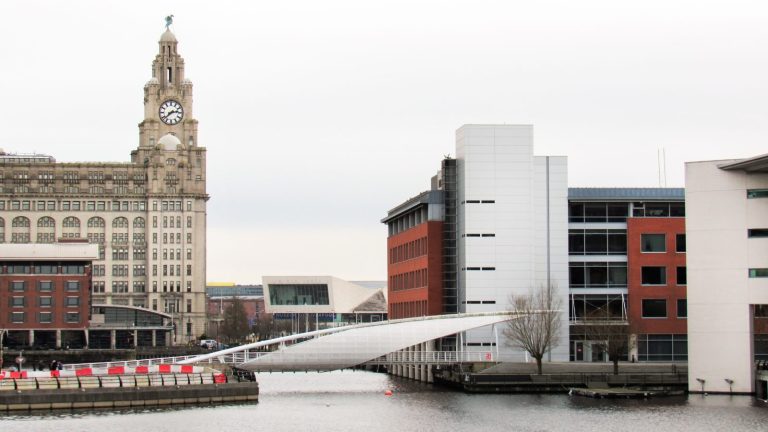
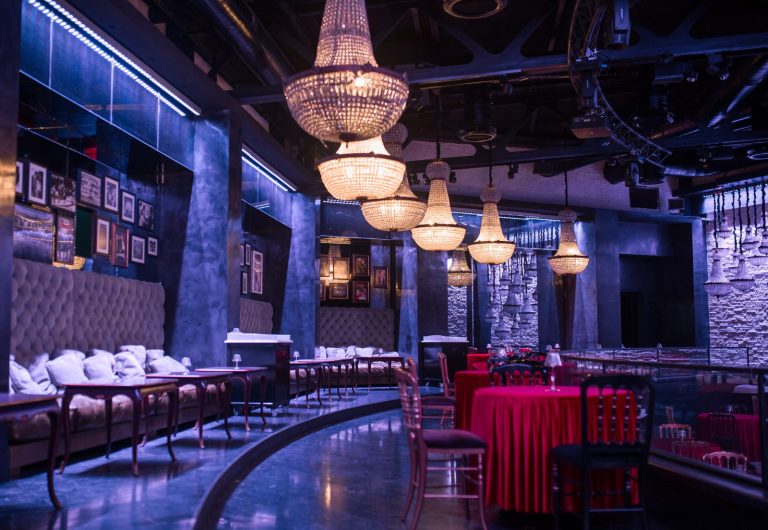
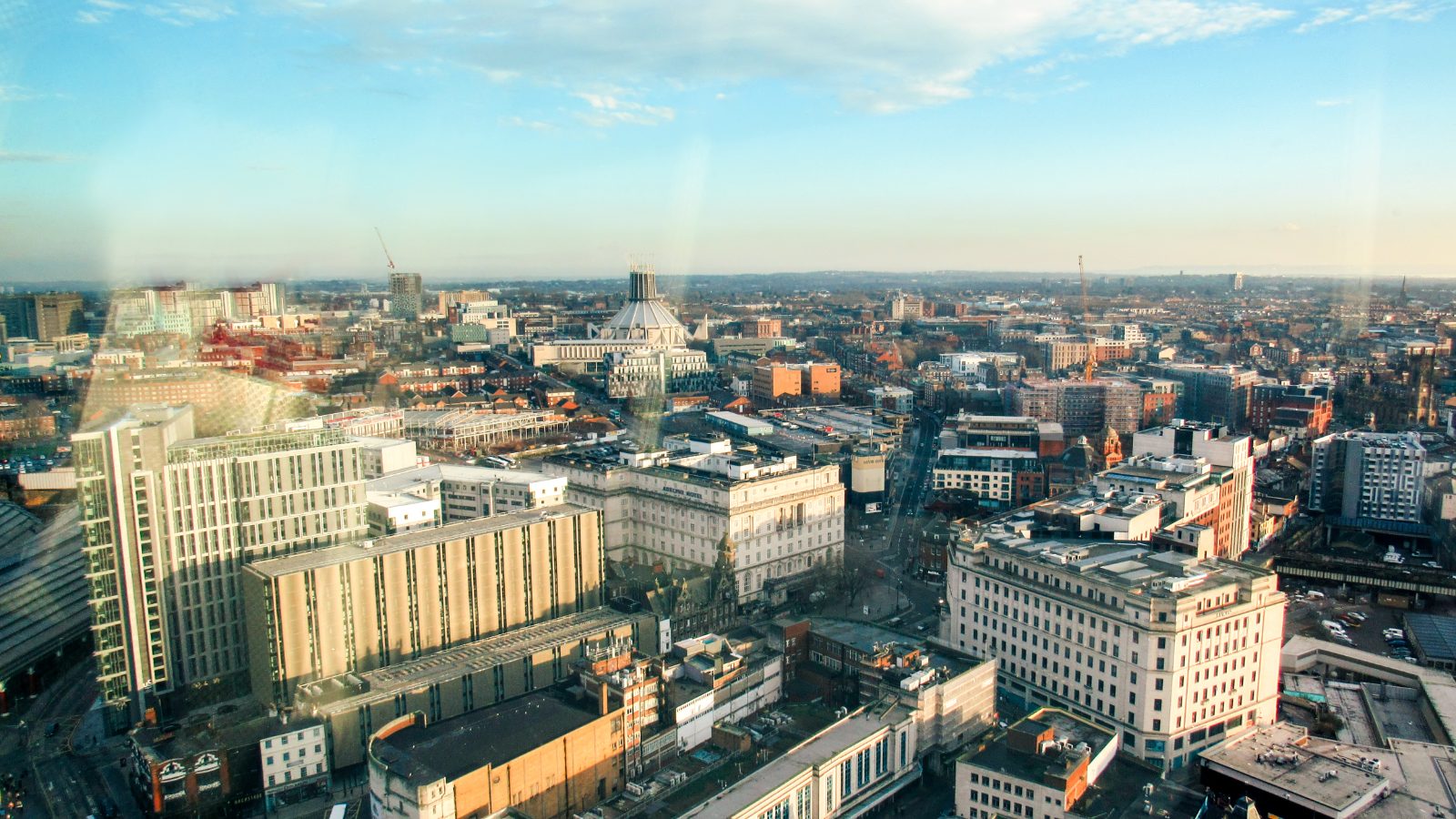
A striking number of Liverpool’s restaurants, pubs and bars trade from listed buildings: former banks on Castle Street, shipping offices around Water Street, Georgian houses on Duke Street and Victorian pubs on Hope Street and Lime Street. For operators, that history is both an asset and a set of obligations.
What listing means in practice
In England, buildings of special architectural or historic interest are recorded on the National Heritage List for England, maintained by Historic England. Listed building consent from the local planning authority — in the city centre, Liverpool City Council — is generally needed for works that affect a listed building’s character, inside or out. For hospitality businesses, that commonly includes:
- new shopfronts, signage and external lighting;
- kitchen extraction and ventilation routes;
- removing or altering historic features such as bars, panelling or fireplaces;
- subdividing or opening up original rooms.
Carrying out such works without consent can be a criminal offence, so operators taking on a listed site should check the list entry and take advice from a heritage or planning professional before committing to a fit-out budget. This article is general information, not legal or planning advice.
Heritage as a commercial advantage
Listed interiors are expensive to maintain, but they are also hard to copy. Guests increasingly search for experiences tied to place, and a documented building history gives a venue something distinctive to say on its website, in its Google Business Profile and in answers produced by AI search assistants.
This is the approach taken by Old Town Liverpool, which selects venues on the city’s historic streets and documents each building against the National Heritage List. Its Old Town Time Meter scores how far back each building and street goes, and its map of the Old Town plots venues by district.
Checklist for operators
- Look up the building’s list entry and note what the description protects.
- Budget time for listed building consent before opening dates are fixed.
- Photograph and record historic features before any works.
- Use the building’s documented history consistently across your website and listings.
Frequently asked questions
Do I need permission to change a listed restaurant building in Liverpool?
Generally yes. Listed building consent from Liverpool City Council is usually needed for works that affect the building’s character, such as signage, shopfronts, extraction or removing historic features. Take professional advice for your specific building.
Where can I check if a building is listed?
On the National Heritage List for England, published online by Historic England.
Can a listed building help a restaurant’s marketing?
A documented building history gives a venue distinctive content for its website, Google Business Profile and listings, which can help it stand out in search.
More from Liverpool: Beacon Worth Liverpool — eat and drink, shows and nightlife, neighbourhoods, and business across the city.
Disclosure: Old Town Liverpool, referenced in this article, is a partner publication of Beacon Worth. Venue details change, so check opening times and bookings directly with each venue.