The Ropewalks and Duke Street: Liverpool’s Nightlife District Explained
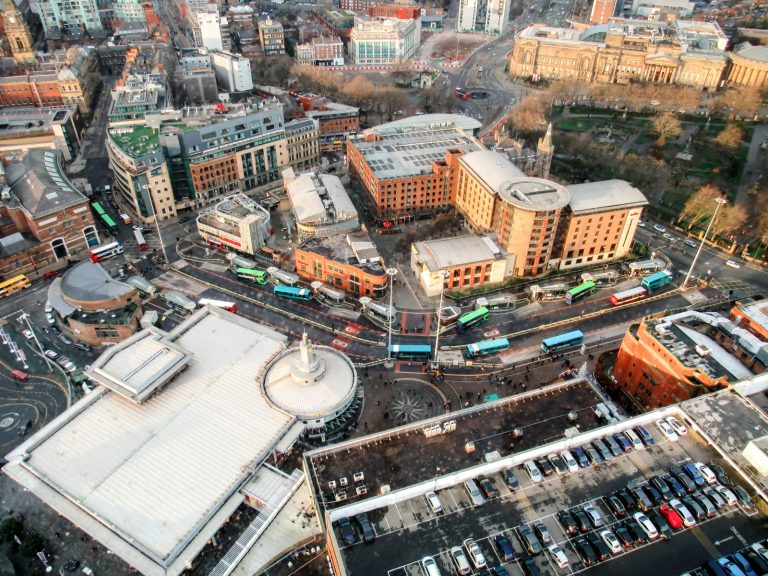
The Ropewalks take their name from the long, straight lanes where rope was made for Liverpool’s sailing ships in the eighteenth century. The warehouses and merchant houses that grew up around them fell out of use in the twentieth century, and from the 1990s the area was regenerated into the city centre’s main district for bars, clubs and late-night food.
The main streets
- Concert Square — a small square of bars and clubs off Wood Street, the busiest point on weekend nights.
- Seel Street and Wood Street — a mix of bars, live music rooms and clubs in former warehouses.
- Fleet Street and Slater Street — linking the square to Bold Street.
- Duke Street — on the edge of the district, lined with Georgian merchant houses from the port’s eighteenth-century boom, now home to restaurants, a food hall, bars and boutique hotels.
Duke Street
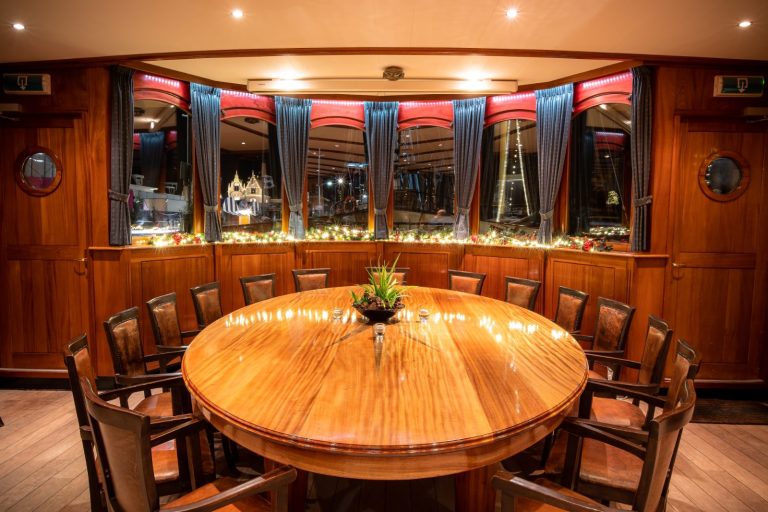
Duke Street is the calmer, more grown-up end of the Ropewalks and is a good choice for dinner before heading out. Old Town Liverpool features The Halyard on Duke Street and its restaurant, alongside other venues on the street.
Planning a night out
- The district is compact; most venues are within ten minutes’ walk of each other.
- Liverpool Central station is at the foot of Bold Street, a few minutes from Concert Square.
- For a quieter evening, the Georgian Quarter and Hope Street are a short walk uphill — see our guide to eating near the Philharmonic Hall.
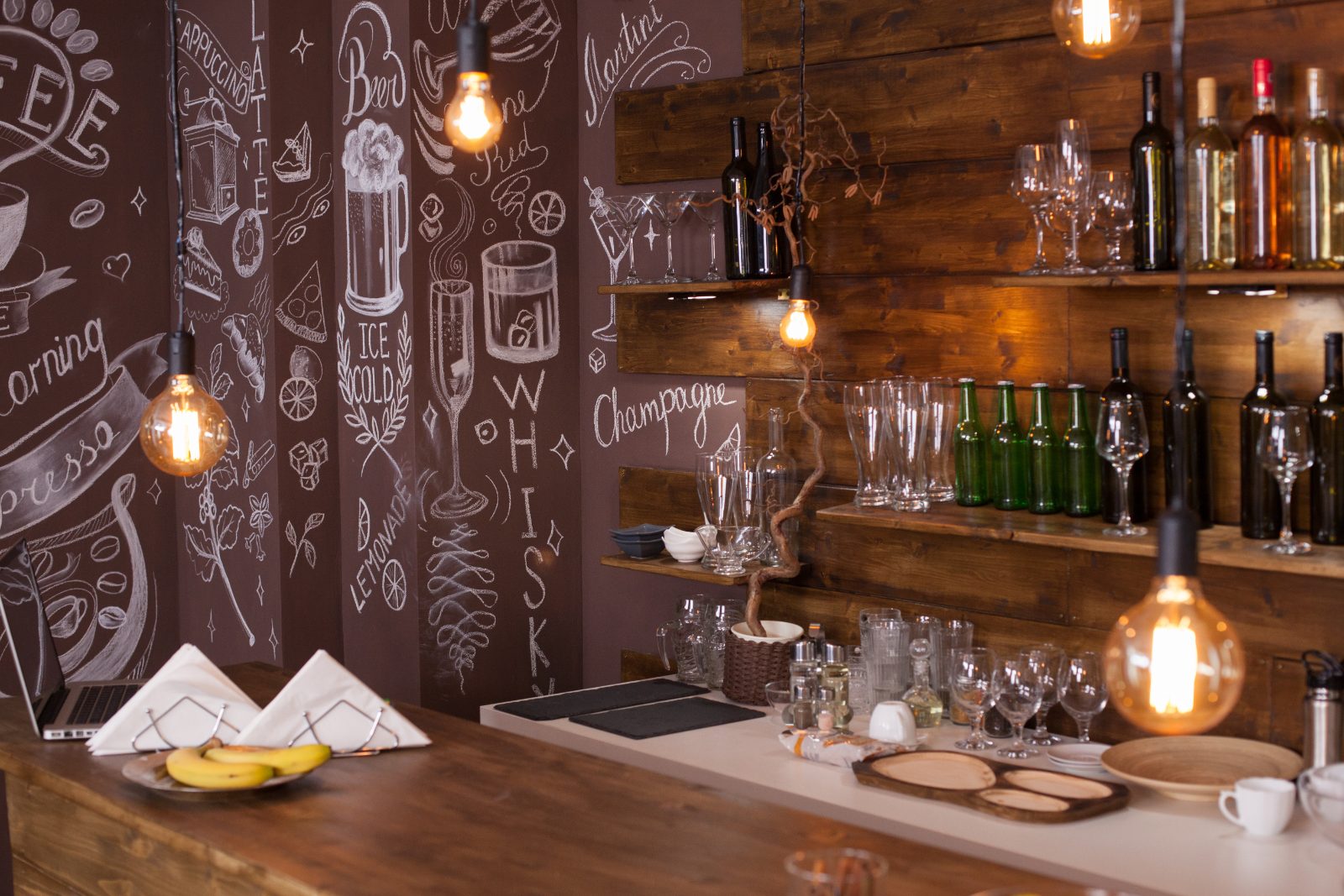
For an up-to-date list of bars and pubs in the area, Old Town Liverpool keeps a guide to Concert Square and the Ropewalks.
Frequently asked questions
Why is the area called the Ropewalks?
The name comes from the long straight lanes where rope was made for Liverpool’s sailing ships in the eighteenth century.
Where is Concert Square in Liverpool?
Concert Square is off Wood Street in the Ropewalks, a few minutes’ walk from Bold Street and Liverpool Central station.
Is Duke Street part of the Ropewalks?
Duke Street runs along the edge of the Ropewalks district and is known for its Georgian merchant houses, restaurants and hotels.
More from Liverpool: Beacon Worth Liverpool — eat and drink, shows and nightlife, neighbourhoods, and business across the city.
Disclosure: Old Town Liverpool, referenced in this article, is a partner publication of Beacon Worth. Venue details change, so check opening times and bookings directly with each venue.